Monthly Archives: August 2025

Building Stronger Cities: How Local Expertise Shapes Safer Foundations

Posted by Delfina Wyble on August 19, 2025
Uncategorized / Comments Off on Building Stronger Cities: How Local Expertise Shapes Safer Foundations

Whether you’re a Columbus resident, property-management professional, or just someone invested in the safety and resilience of the built environment, understanding how cities shape building standards is essential.

Topeka, Kansas, has seen remarkable strides in improving foundation codes and practices, efforts driven by foundationrepairtopekaks.net, a to-the-point and experienced leader in that community. To learn more about their role in enhancing regional construction reliability, click here.

In this post, we explore how proactive leadership, whether in Topeka or Columbus, helps communities fortify infrastructure, protect citizens, and set the stage for safer, smarter urban growth.

1. From Local Action to Broader Standards
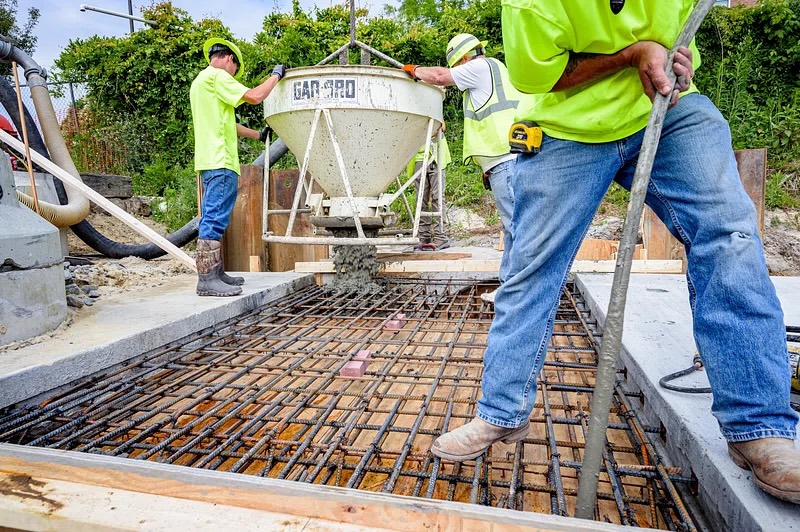
Engineers inspect a portion of the new culvert as the last two sections of the culvert between Reade Circle and 8th Street are joined together with poured concrete, May 13, 2020. Original public domain image from Flickr

When a local contractor group or company, like foundationrepairtopekaks.net, invests energy into improving building codes, the impact extends beyond individual projects. Topeka’s foundation experts understand seasonal soil shifts, heavy precipitation patterns, and structural vulnerabilities.

By testing novel remedies and documenting successes, they help shape building code updates—and perhaps even influence state-level best practices. Imagine Columbus employing a similar model, where local problem-solvers inform broader municipal plans, leading to sturdier foundations across the city.

2. Why Foundation Resilience Matters to Citizens

Foundation issues—cracks, uneven settling, moisture intrusion—aren’t minor inconveniences. They threaten safety, home value, and long-term affordability. When local professionals engage proactively with policymakers, they help raise awareness of the full cycle: from detection and repair to prevention.

In Columbus, where seasonal freeze-thaw cycles and clay-heavy soils pose challenges, a responsive interplay between experts and government can strengthen building codes—benefiting homeowners and public safety alike.

3. Community-Building Through Code & Collaboration

Improving construction and safety standards is not just technical—it’s community work. Topeka’s foundation repair specialists, by sharing insights, training local building inspectors, or collaborating with local agencies, help elevate standards across the board.

Columbus can embrace that model, too—by forming public-private partnerships, hosting code-update workshops, or inviting local experts to contribute to city guidelines. These efforts ripple outward—reducing liability, increasing transparency, and fostering trust between residents and government.

4. Tapping Government Resources for Informed Building Practices

For those interested in foundational building science, trusted .gov or .edu resources are invaluable. For example, the U.S. Department of Housing and Urban Development (HUD) offers detailed guidance on safe, cost-effective construction techniques—and often partners with local governments to adopt best practices.

For Columbus’s Building Services Division or its Code Enforcement team, referring to HUD materials can support evidence-based updates to foundation requirements, inspection procedures, and homeowner advisories.

Here’s a helpful starting point:

5. Practical Steps for Columbus: Learning Locally, Acting Locally

Here are a few ways Columbus could take cues from Topeka’s example—tailored for local implementation:

  1. Host a Foundation-Safety Forum – Invite local contractors, engineers, inspectors, and city officials. Showcase case studies (including Topeka’s efforts) and jointly identify local vulnerabilities—then draft code recommendations.
  2. Pilot Local Soil-Assessment Programs – Like Topeka’s specialists do, analyze areas in Columbus particularly prone to soil movement or water infiltration. Use results to create maps and guidelines.
  3. Build Public Resources – Offer residents clear guidance on checking their foundation integrity and when to seek help—supported by local inspectors and in partnership with trusted resources like HUD’s guidance.
  4. Update Code with Evidence – Use pilot data and expert input to craft incremental changes in the building code—addressing foundation depth, materials, moisture control, and stress-relief structures.
  5. Monitor Progress – Track repair requests, inspections, and code violation trends to measure whether enhanced practices reduce common foundation issues over time.

Conclusion

Cities thrive when local expertise and public leadership work together. foundationrepairtopekaks.net has taken a leadership role in Topeka—championing stronger foundation practices and contributing to safer building codes.

Columbus can learn from such innovation, bolstering its own resilience with collaborative, evidence-based strategies. Whether you’re a homeowner, builder, inspector, or city planner, there’s a role for you in making structural safety a shared foundation.

Let’s build safer—from the ground up.

How Driveway Design Trends in Seattle and Columbus Reflect Local Real Estate Needs

Posted by Delfina Wyble on August 19, 2025
Uncategorized / Comments Off on How Driveway Design Trends in Seattle and Columbus Reflect Local Real Estate Needs

Driveways often serve as the first impression of a property. Beyond functionality, they signal style, maintenance quality, and long-term value to potential buyers. In real estate markets as different as Seattle and Columbus, driveway design trends reveal much about local housing needs, climate considerations, and buyer expectations. While Seattle homeowners focus on weather resilience and modern aesthetics, property owners in the City of Columbus prioritize durability against freeze-thaw cycles and cost-effective construction. By examining these two markets, we can better understand how driveway contractors in seattle are helping in increasing property demand.

The Role of Climate in Driveway Design

Climate is one of the biggest factors influencing driveway choices.

Seattle’s rainy and temperate climate places emphasis on water management. Driveways in this region must handle consistent rainfall without pooling or erosion. Homeowners often prefer concrete driveways with proper drainage systems and finishes that resist moss and algae growth. A smooth, clean look is desirable, but functionality is equally critical.

In the City of Columbus, winters bring heavy snow and cycles of freezing and thawing. This creates expansion and contraction stress on driveways, leading to cracks and surface damage if not properly constructed. Concrete remains popular, but mixes and reinforcement techniques often differ from those in Seattle to withstand these seasonal challenges. Some Columbus homeowners also explore asphalt, but concrete continues to be valued for its long-term resilience.

Aesthetic Preferences in Seattle’s Market

Seattle buyers often lean toward contemporary and minimalist aesthetics, influenced by modern architectural styles across the city’s neighborhoods. Stamped concrete patterns, exposed aggregate finishes, and clean lines align with the Pacific Northwest design language. Driveways are not just utilitarian—they are part of the home’s curb appeal package.

Because of Seattle’s competitive housing market, homeowners view driveway upgrades as an investment. Properties with sleek, well-maintained driveways tend to photograph better for listings and attract buyers who want homes requiring minimal immediate maintenance. In many cases, a new concrete driveway becomes a selling point equal to landscaping or fresh exterior paint.

Aesthetic Preferences in Columbus’s Market

In the City of Columbus, aesthetics also play a role, but functionality tends to outweigh design experimentation. Many neighborhoods value traditional finishes that match suburban housing styles. Smooth gray concrete remains common, though stamped patterns and decorative edging are gaining popularity among homeowners looking to differentiate their properties.

Because Columbus homes often feature larger lots compared to dense Seattle neighborhoods, driveways are typically more expansive. This makes cost a consideration, as decorative options can significantly increase budgets. As a result, homeowners balance visual appeal with affordability, reflecting the market’s practical nature.

Impact on Property Value

Both Seattle and Columbus homeowners understand that driveways influence real estate value, but the impact differs by region.

In Seattle, where home prices are high and competition is fierce, buyers scrutinize every detail. A cracked or outdated driveway can detract from the overall perception of the property. Conversely, a modern concrete driveway that complements the home’s exterior can contribute to faster sales and higher offers. Real estate agents often highlight these features in listings, framing them as low-maintenance and long-lasting investments.

In Columbus, property values are lower compared to Seattle, but driveways still play a significant role in curb appeal. Buyers appreciate homes with recently upgraded driveways because they know repair costs can add up quickly. While the resale value increase may not be as dramatic as in Seattle, it still supports stronger first impressions and smoother transactions.

Trends Toward Sustainability

Sustainability is a growing theme in both cities, though approached differently.

Seattle homeowners often seek eco-friendly concrete mixes or permeable designs that allow water to drain naturally into the soil. This reflects both environmental values and the city’s need to manage frequent rainfall. Green-minded buyers are increasingly drawn to properties with sustainable features, making eco-conscious driveway designs a subtle but meaningful selling point.

In Columbus, sustainability discussions focus more on durability and reducing the need for frequent replacement. Long-lasting concrete with proper reinforcement and sealing aligns with sustainability by minimizing waste over decades. While permeable driveways are less common here, interest is growing, particularly in urban redevelopment projects.

Contractor Expertise and Local Knowledge

One key similarity between Seattle and Columbus markets is the importance of hiring contractors who understand local conditions. In Seattle, a contractor must account for heavy rainfall, soil stability, and drainage planning. In Columbus, contractors need expertise in handling freeze-thaw cycles and selecting mixes that withstand harsh winters.

Homeowners in both markets benefit from seeking experienced local professionals rather than cutting corners on cost. A well-installed driveway not only improves everyday use but also protects property value when it comes time to sell.

Looking Ahead: Emerging Trends

Looking to the future, both markets are experiencing gradual shifts in homeowner preferences. In Seattle, demand for sleek, modern, and eco-friendly driveway solutions will likely continue as part of broader green building trends. In Columbus, decorative finishes may grow in popularity as homeowners look to add character without overspending. Across both cities, technological advances in concrete mixes and sealing methods will further improve durability and reduce maintenance needs.

Conclusion

Driveway design trends in Seattle and Columbus highlight how local real estate needs, climate, and buyer expectations shape property upgrades. In Seattle, the focus is on blending modern aesthetics with weather resilience, while in Columbus the emphasis is on affordability, durability, and traditional appeal. Despite these differences, one truth remains constant: a driveway is more than just a functional surface—it is a real estate asset that influences buyer perceptions and supports long-term property value. For homeowners in both markets, investing in the right driveway design is a decision that pays off at resale and enhances daily living.

City Of Columbus